Every election cycle, well-intentioned candidates run for office promising to bridge divides, end corruption, and focus on genuine problem-solving. Yet within months of taking office, many fall into the exact partisan gridlock they promised to break.
And this raises a rather uncomfortable question: is the problem the people we elect, or the structural rules of the game they are forced to play?
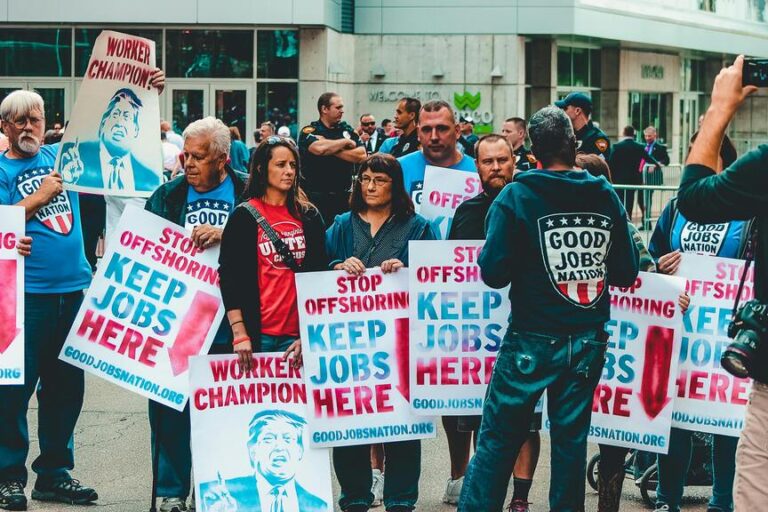
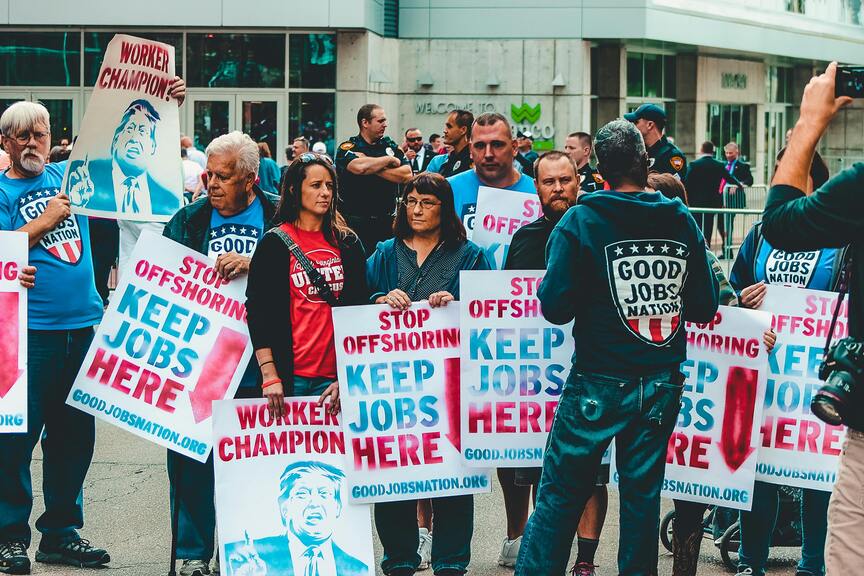
To win an election, a candidate must secure campaign funding, appease interest groups, align strictly with party platforms, and deliver simple, soundbite-friendly slogans. The skills required to *win* an election—fundraising, media presentation, and partisan confrontation—are entirely different from the skills required to *govern* effectively.
We normally assume that better candidates will lead to better governance. But if the electoral process naturally penalizes nuance and rewards hostility, even the most noble individuals will be constrained by the system.
Imagine a government body where no member had to fundraise, campaign, or seek re-election. Through sortition—selecting representative bodies randomly from the citizenry—decision-makers are free to analyze policies on their merits rather than their campaign potential.
This is one of the central dilemmas examined in the book, The Answer by Kizzi Nkwocha.
If elections inherently reward performance over governance, can incremental electoral reform ever fix political dysfunction?
Want more like this?
Get an occasional email when there’s something new worth reading. No spam, unsubscribe anytime.
By subscribing you agree to receive occasional emails about new releases. Unsubscribe anytime by replying to any email.