The Collapse Wasn’t Slow — It Was a Controlled Demolition
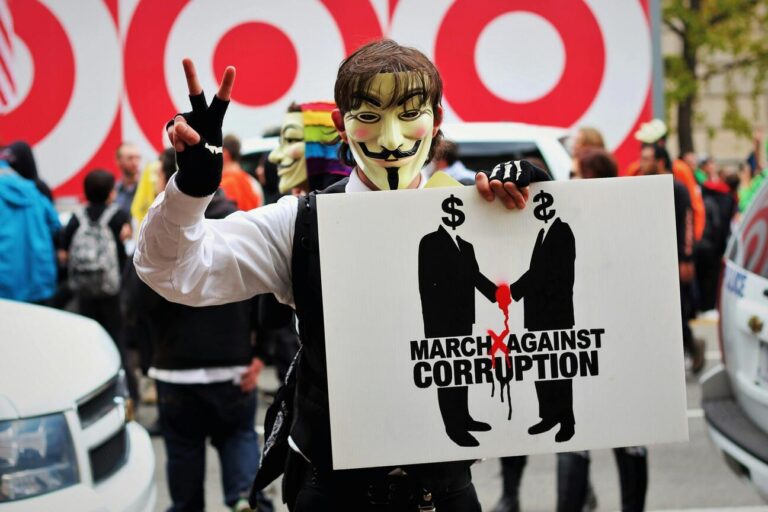
For nearly a century, media power belonged to a small circle of gatekeepers. Publishers, broadcasters, and editors decided whose stories reached the world. If you wanted influence, you needed permission — and that permission came with a contract.
That world doesn’t exist anymore. It didn’t fade away slowly; it imploded.
The old media economy — built on scarcity, bureaucracy, and institutional trust — has collapsed under the weight of the internet’s abundance and audience skepticism. The people who used to depend on networks and publishers to distribute their work now own the channels themselves.
Let’s break down what really happened — and what’s rising to replace it.
1. The Economics of Scarcity Are Dead
Traditional media was built on controlled access. Limited TV slots, print runs, and airwaves meant advertisers paid top dollar for limited space. That scarcity created value.
The internet destroyed scarcity permanently.
A YouTuber with a smartphone can now reach more people than a 1990s newspaper chain. A podcaster with a $100 microphone can attract a million listeners — no studio required. Production and distribution costs have dropped to near zero.
That single shift broke the business model of legacy media.
2. Technology Flattened the Playing Field
Technology turned everyone into a potential publisher. The same editing software, hosting tools, and analytics dashboards used by major media brands are now available to individual creators — often for free.
But the real revolution isn’t the tools. It’s access.
Creators no longer need to beg for coverage or approval. They build their own audiences, one video, newsletter, or post at a time. Distribution is no longer the bottleneck. Attention is.
That means the game now rewards those who can consistently earn attention — not those who own distribution.
3. The Trust Collapse Finished the Job
Even before social media, audiences had started losing faith in institutions. Politicized coverage, corporate bias, and opaque decision-making eroded credibility. As trust dissolved, audiences migrated to creators who felt more authentic — flawed, human, and real.
Traditional media still talks at audiences. Creators talk with them.
This two-way relationship is the defining feature of the new media era. It’s not about “broadcasting.” It’s about conversation, transparency, and connection.
4. What Replaces Old Media: Creator-Led Ecosystems
What’s emerging isn’t chaos. It’s a new kind of order — ecosystems of independent creators who control their own production, distribution, and monetization.
These new media builders:
-
Own their platforms. Websites, newsletters, and communities instead of rented social media real estate.
-
Diversify income. Ad revenue, digital products, memberships, and events instead of one fragile source.
-
Connect every channel. YouTube drives newsletter signups, newsletters drive course sales, courses feed communities.
This interconnected approach is what I call the Media Ecosystem Model — a self-sustaining network where every piece of content reinforces the others.
5. How You Can Build Without Gatekeepers
Here’s where it gets practical.
If you’re a writer, coach, podcaster, or entrepreneur — you can build your own ecosystem starting today.
Start small, but think systemically:
-
Pick one discovery channel (YouTube, LinkedIn, or podcasting) and post consistently.
-
Create an email list immediately. That’s your first owned platform.
-
Offer real value early. Free guides, templates, or insights that solve real problems.
-
Build a simple website where everything connects — your hub.
-
Think long-term. Each post, episode, or email is an asset that compounds over time.
6. The New Blueprint
 The fall of old media isn’t the end — it’s an invitation.
You no longer need permission to reach an audience. You just need a system that works together.
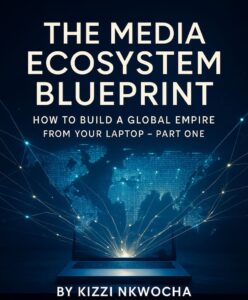
That’s exactly what The Media Ecosystem Blueprint offers: a complete roadmap for creators and entrepreneurs who want to turn scattered content into a cohesive, sustainable empire.
The gatekeepers are gone. The tools are in your hands.
Now it’s your turn to build.