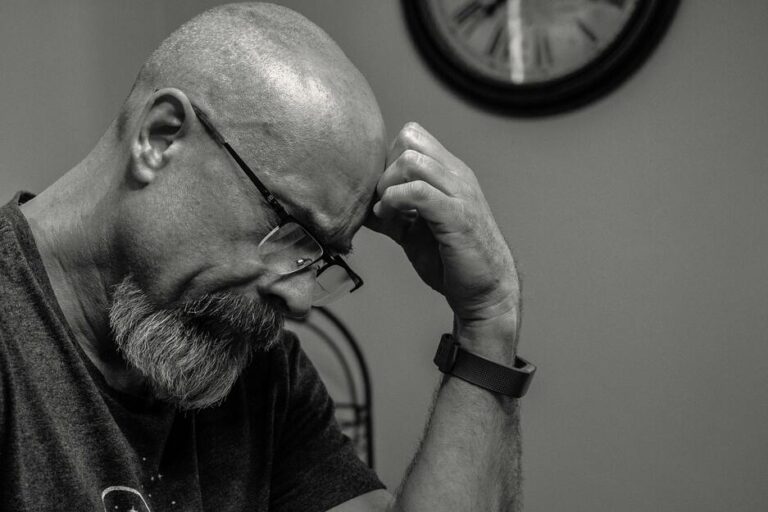

Most advice about getting through hard times is addressed to one person. Build your mindset. Find your strength. Work on yourself.
The best evidence we have suggests the thing that gets people through isn’t inside them at all.
In June 2025 the World Health Organization’s Commission on Social Connection published its first global report. The headline figures are stark. About one in six people worldwide is affected by loneliness. The report links loneliness to more than 871,000 deaths a year, roughly a hundred every hour.
It’s careful about terms. Loneliness is the painful feeling of a gap between the connection you want and the connection you have. Social isolation is the objective lack of contact. You can have one without the other. Plenty of people are lonely in a full house.
And it isn’t mainly about the elderly, which is what most of us would guess. The highest rates were among the young: between 17 and 21% of people aged 13 to 29 reported feeling lonely, with teenagers highest of all.
The health effects listed are physical as well as emotional: higher risk of stroke, heart disease, diabetes and cognitive decline. Lonely people were about twice as likely to become depressed.
Now set that beside how we talk about resilience.
We describe it as a personal quality, like height. Some people have it, and the rest of us should develop it by reading and journalling and thinking better thoughts. I’m a personal development coach. I believe mindset matters.
But there’s a problem with making it the whole story.
When people describe how they actually got through the worst year of their lives, they rarely talk about a technique. They talk about a sister who phoned every evening, or a neighbour who turned up with food, or a friend who sat with them and didn’t try to fix anything. For most of them the resilience came from the people around them.
If that’s right, then telling a struggling person to “be more resilient” is close to useless, and a bit cruel. It hands them a private project at the moment they most need company. The better instruction is duller. Ring someone, and say yes when you’re invited. Let somebody help you, even though it’s awkward.
It also changes what the rest of us should do. If resilience is something we give each other, then looking after your friendships is part of how you’ll cope when things go wrong, and I wouldn’t treat it as a luxury. And being the one who phones is one of the more useful things you can do for someone else.
The role of relationships and support in staying positive has a full chapter in my book, Life’s a Mess: Finding Your Smile When Sh*t Hits the Fan.
Think of the hardest stretch you’ve come through. Was it your own strength that got you through, or was it a person? And have you told them?
https://www.amazon.com/Lifes-Mess-Finding-Your-Smile/dp/B0DGDFX2FG/
#Resilience, #Loneliness, #SocialConnection, #MentalHealth, #Wellbeing, #Friendship, #Community, #PersonalDevelopment, #Positivity, #EmotionalSupport, #KizziNkwocha
Want more like this?
Get an occasional email when there’s something new worth reading. No spam, unsubscribe anytime.
By subscribing you agree to receive occasional emails about new releases. Unsubscribe anytime by replying to any email.