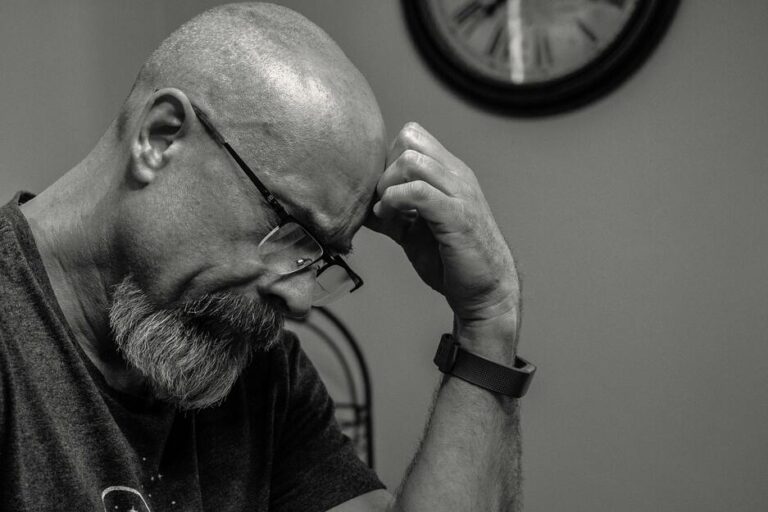


A study of nearly 50,000 women found that the most grateful among them were less likely to die over the following years.
Before you go and buy a gratitude journal, let’s look at what it actually says.
The research came from Harvard and was published in JAMA Psychiatry in July 2024. It used the Nurses’ Health Study, one of the longest-running health studies there is. In 2016, 49,275 women with an average age of 79 filled in a short questionnaire about gratitude, agreeing or disagreeing with statements such as “I have so much in life to be thankful for.”
The researchers followed them until 2019. In that time 4,608 of the women died. Those whose gratitude scores were in the top third had a 9% lower risk of dying than those in the bottom third. The link was strongest for deaths from cardiovascular disease.
The authors were careful. They adjusted for things that overlap with gratitude, including social participation, religious involvement and optimism, and the association was still there. The lead author, Ying Chen, called it the first empirical evidence on the question.
Now for the caution, because this kind of finding gets mangled.
It’s an association in one group: older American women, mostly nurses. It can’t prove that gratitude causes longer life. And 9% is modest.
But here’s what I find interesting, and it isn’t the number.
We usually talk about gratitude as a response to good fortune. Good things happen and you feel thankful. On that view, grateful people are just lucky people, and telling someone in a rough patch to be grateful is like telling a hungry person to feel full.
What if it’s the wrong way round?
These women were 79 on average. At that age almost everyone has buried people they loved and is living with a body that does less than it used to. Nobody reaches 79 with a life free of trouble. So the women who scored highest on gratitude can’t simply have been the ones with nothing to complain about. They’d had the same hard things happen and they still noticed what remained.
That makes gratitude sound less like a feeling and more like a habit of attention. You can acknowledge everything that’s gone wrong and still look for what hasn’t. Nothing in that requires pretending the bad things didn’t happen.
That distinction matters, because forced gratitude is miserable. “You should be grateful” is something people say to shut you up. What the study measured was closer to something people did for themselves, quietly, over a lifetime.
Gratitude as a daily practice, as opposed to a mood you wait for, is one of the habits I write about in my book, Life’s a Mess: Finding Your Smile When Sh*t Hits the Fan.
So is gratitude something you can honestly practise on a bad day? Or does it only count when you actually feel it?
https://www.amazon.com/Lifes-Mess-Finding-Your-Smile/dp/B0DGDFX2FG/
#Gratitude, #Wellbeing, #Longevity, #Positivity, #MentalHealth, #HealthyAgeing, #Mindset, #PersonalDevelopment, #Happiness, #DailyHabits, #KizziNkwocha
Want more like this?
Get an occasional email when there’s something new worth reading. No spam, unsubscribe anytime.
By subscribing you agree to receive occasional emails about new releases. Unsubscribe anytime by replying to any email.